For Rosso, we follow the principle of fermentation on the skins. During the fermentation phase, the wine is pumped over daily to keep the cap moist. Temperatures are monitored around the clock during this phase. Cooling or heating is applied as needed according to a precisely defined temperature curve during fermentation. Brix degrees are also measured regularly to determine how far the fermentation has progressed and when the fermentation process is complete. Once the fermentation phase is complete, most of the must can be separated from the seets and skins without pressing and pumped into the new barriques for further aging. The remaining mash is then processed into grappa.
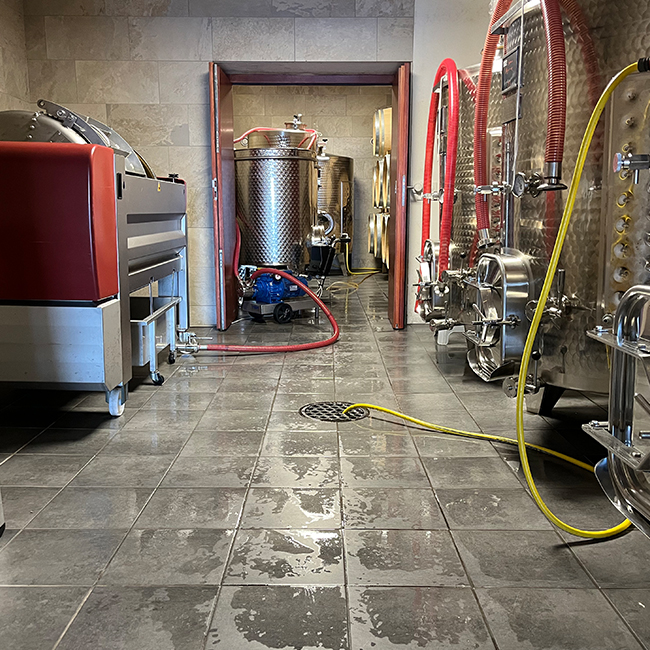
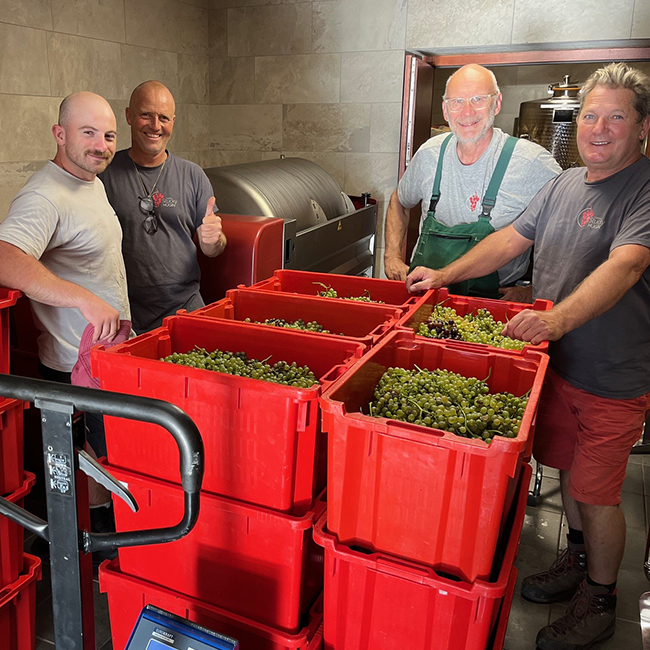
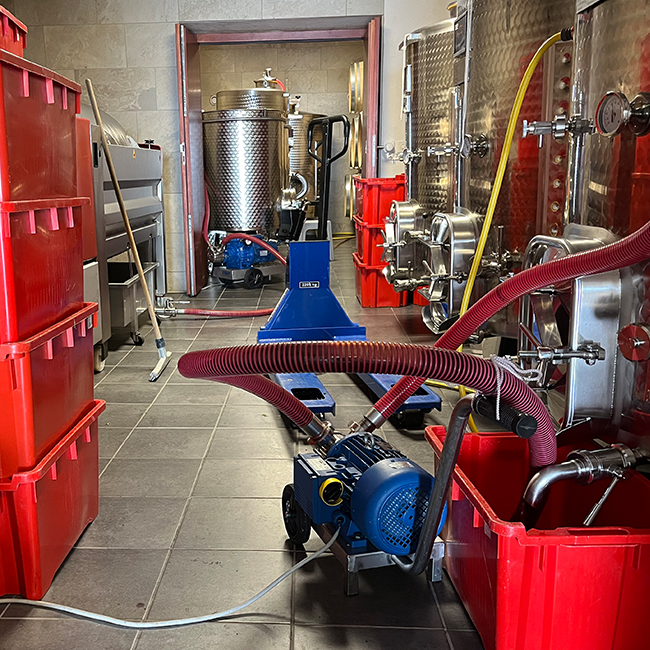
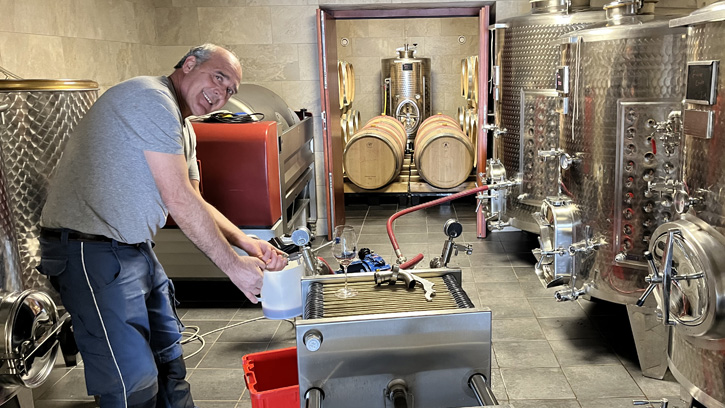
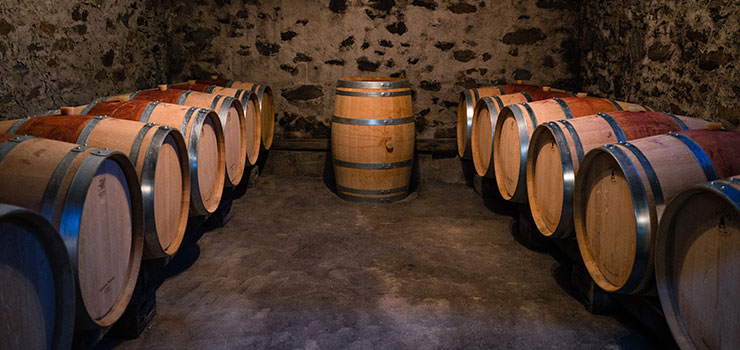
From the moment the wine is transferred to the oak barrels, it must be regularly checked and cared for to ensure optimal vinification. Since oak barrels are made of natural materials – genuine French oak – they must be maintained and the wine is subject to a certain amount of evaporation through the wood. As a result, the barrels must be topped up regularly to ensure that the wine remains well sealed. During aging in the barrels, the wine is also regularly transferred, i.e., the barrels are emptied, washed out, and refilled. In addition, malolactic fermentation is monitored in the laboratory during the first few months to determine the extent to which the acids have been converted and broken down. Once this process is complete, the wine is sealed, and the final aging process can begin. Overall, our red wines mature in barrels for up to 18 months before being bottled.
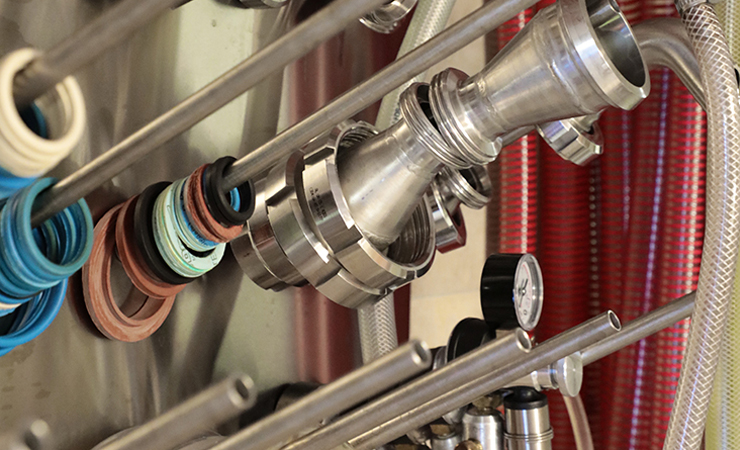
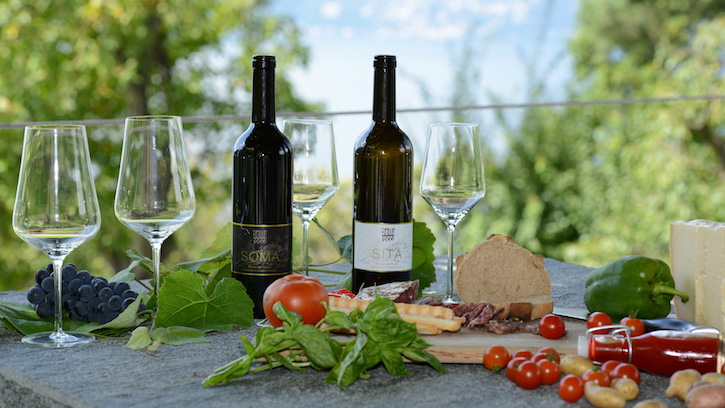
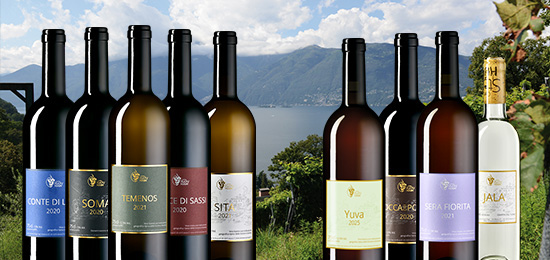
The Temenos white wine is aged in oak barrels for a year and then bottled. The Sita white wine is aged in steel tanks for a year and then bottled. Acidity and other important values are measured regularly in our in-house laboratory.